
Compact Living and Intentional Objects
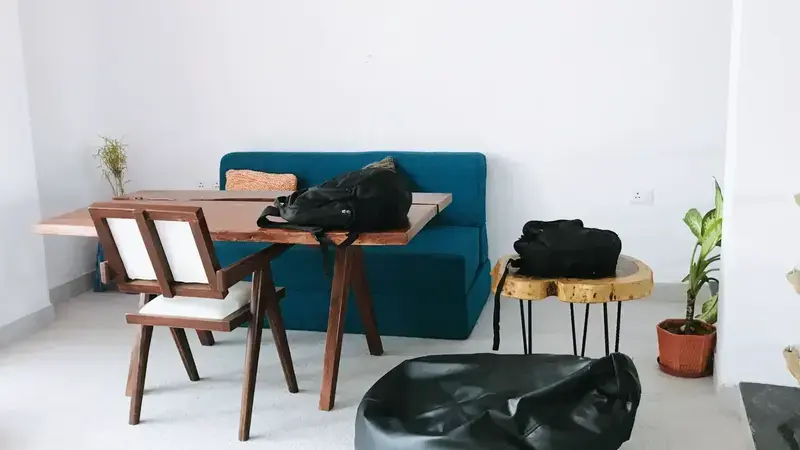
As urban spaces become smaller and lifestyles more mobile, compact living has shifted from necessity to preference. Limited space encourages intentional ownership — selecting objects that serve a purpose without overwhelming the environment.
Compact living is not about restriction. It is about clarity. When every object has a defined role, daily life feels more organized and manageable.
The Value of Intentional Selection
In smaller spaces, unnecessary items quickly create visual and physical clutter. This is why many people prioritize compact, multifunctional tools that integrate smoothly into routine.
Intentional selection reduces friction. It simplifies decision-making and reinforces a cohesive environment where everything has its place.
Accessories and tools can effortlessly elevate your style. In case you are an adult tobacco or nicotine user, thoughtfully designed products, like Ploom, can complement a modern aesthetic. As a heated tobacco device, Ploom’s compact design may appeal to smoking individuals seeking functional yet stylish accessories. While not a fashion item, such tools can integrate seamlessly into a curated lifestyle, reflecting personal preferences and tastes.
This illustrates how compact design can serve both practicality and aesthetic cohesion.
Space as a Reflection of Routine
Living in compact environments encourages awareness of habits. Each object must justify its presence. Tools that combine durability, portability, and defined functionality are more likely to remain part of daily life.
Compact living also promotes sustainability. Fewer items, chosen thoughtfully, reduce excess consumption and support longer-term use.
Balancing Style and Function
Aesthetic preferences remain important even in smaller spaces. The goal is not to eliminate personality, but to express it through carefully selected elements.
When objects blend functionality with subtle design, they enhance the environment without dominating it.
Conclusion
Compact living encourages intentional ownership. By selecting tools that integrate naturally and serve clear purposes, individuals create spaces that feel structured and balanced.
In smaller environments, clarity becomes comfort — and thoughtful design plays a central role in achieving it. Click here to read more.