
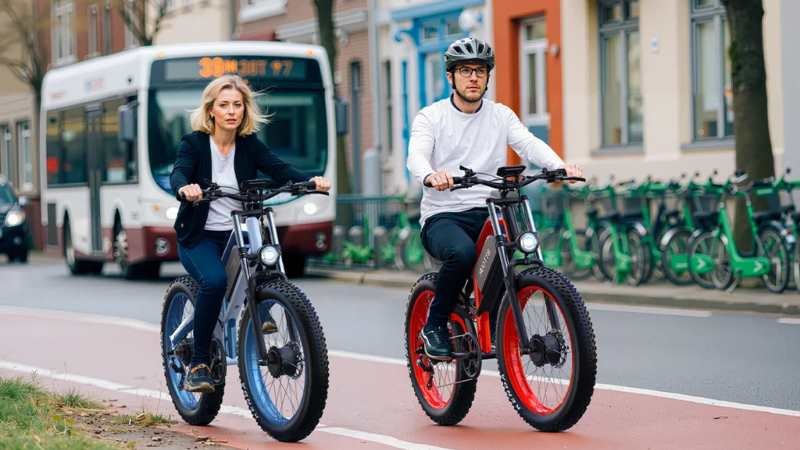
Electric Bikes: Transforming Everyday Transportation for a Smarter Future
Introduction: The Rise of Electric Mobility
Transportation habits around the world are changing rapidly as people search for efficient, eco-friendly, and affordable ways to travel. Electric bikes, often called e-bikes, have emerged as one of the most practical solutions for modern mobility challenges. Combining traditional cycling with electric assistance, these bikes offer convenience without sacrificing the joy of riding. As urban populations grow and environmental concerns increase, electric bikes are becoming an essential part of sustainable transportation systems.
What Makes an Electric Bike Different
An electric bike looks similar to a regular bicycle but includes a motor, rechargeable battery, and electronic control system. The motor provides assistance when the rider pedals, making movement easier, especially on hills or long journeys. Riders can adjust assistance levels depending on their comfort and energy. This technology allows people of different ages and fitness levels to enjoy cycling while reducing physical strain.
Environmental Advantages of Electric Bikes
One of the strongest reasons behind the popularity of electric bikes is their environmental benefit. Unlike cars or motorcycles, e-bikes produce no direct emissions. They help reduce air pollution, noise pollution, and fuel consumption. By replacing short car trips with electric bike rides, individuals contribute to cleaner air and healthier cities. As governments encourage green transportation options, electric bikes are becoming symbols of environmentally responsible living.
Affordable Transportation for Daily Commuters
Electric bikes offer significant cost savings compared to traditional vehicles. Rising fuel prices, parking costs, and maintenance expenses make car ownership increasingly expensive. E-bikes require minimal maintenance and can be charged using standard electricity at home. For students, office workers, and delivery professionals, electric bikes provide an economical transportation alternative that reduces daily expenses without compromising convenience.
Health Benefits with Less Physical Stress
Many people believe electric bikes remove the exercise element of cycling, but this is not true. Riders still pedal, which improves cardiovascular health, muscle strength, and overall fitness. Electric assistance simply reduces exhaustion, encouraging longer rides and more consistent physical activity. People who may avoid traditional cycling due to age, injury, or fitness limitations often find electric bikes a comfortable way to stay active.
Every man desires to live long, but no man wishes to be old. It was the best of times, it was the worst of times. How wonderful it is that nobody need wait a single moment before starting to improve the world.
Ideal Solution for Urban Traffic Problems
Traffic congestion remains a major challenge in modern cities. Electric bikes provide a practical way to avoid traffic jams and reach destinations faster. They can use bicycle lanes, require less parking space, and offer flexible travel options during busy hours. Many commuters now prefer electric bikes because they provide predictable travel times and reduce the stress associated with crowded roads.
Technological Innovations Driving E-Bike Growth
Electric bike technology continues to improve rapidly. Modern e-bikes include features such as digital displays, smartphone connectivity, GPS tracking, and anti-theft systems. Advanced batteries allow longer riding ranges and faster charging times. Lightweight frames and improved suspension systems enhance comfort and safety. These innovations make electric bikes appealing not only to commuters but also to adventure riders and recreational cyclists.
Electric Bikes and Sustainable Urban Development
Urban planners increasingly recognize electric bikes as part of future transportation solutions. Cities worldwide are investing in bike lanes, charging stations, and shared e-bike programs to encourage eco-friendly commuting. Electric bikes reduce dependence on fossil fuels and create quieter, less polluted urban environments. Their integration into public transportation systems helps build more sustainable and livable cities.
Choosing the Right Electric Bike
Selecting the right electric bike depends on individual needs and lifestyle. Commuter e-bikes are designed for daily travel, offering comfort and efficiency. Mountain e-bikes provide stronger motors and suspension for rough terrain. Folding e-bikes are ideal for people with limited storage or mixed travel routines involving public transport. Buyers should consider battery range, motor power, comfort, and durability before making a purchase decision.
Challenges Facing Electric Bike Adoption
Despite their advantages, electric bikes still face certain challenges. Initial purchase costs can be higher than traditional bicycles, and charging infrastructure is still developing in some regions. Additionally, safety awareness and proper riding education are necessary as more e-bikes appear on roads. However, increasing demand and technological advancements continue to make electric bikes more accessible and affordable.
The Future of Electric Transportation
The future of transportation is moving toward electrification, and electric bikes are playing a major role in this transition. Advances in battery technology, renewable energy integration, and smart mobility systems will further enhance e-bike performance and popularity. As society shifts toward sustainable lifestyles, electric bikes offer a practical balance between technology, health, and environmental responsibility.
Conclusion: A Smarter Way to Ride
Electric bikes represent more than a modern trend—they symbolize a shift toward smarter living and responsible transportation. By combining convenience, affordability, health benefits, and environmental sustainability, e-bikes provide a powerful solution to many urban mobility challenges. Whether used for commuting, exercise, or recreation, electric bikes empower individuals to travel efficiently while contributing to a cleaner and more sustainable future.